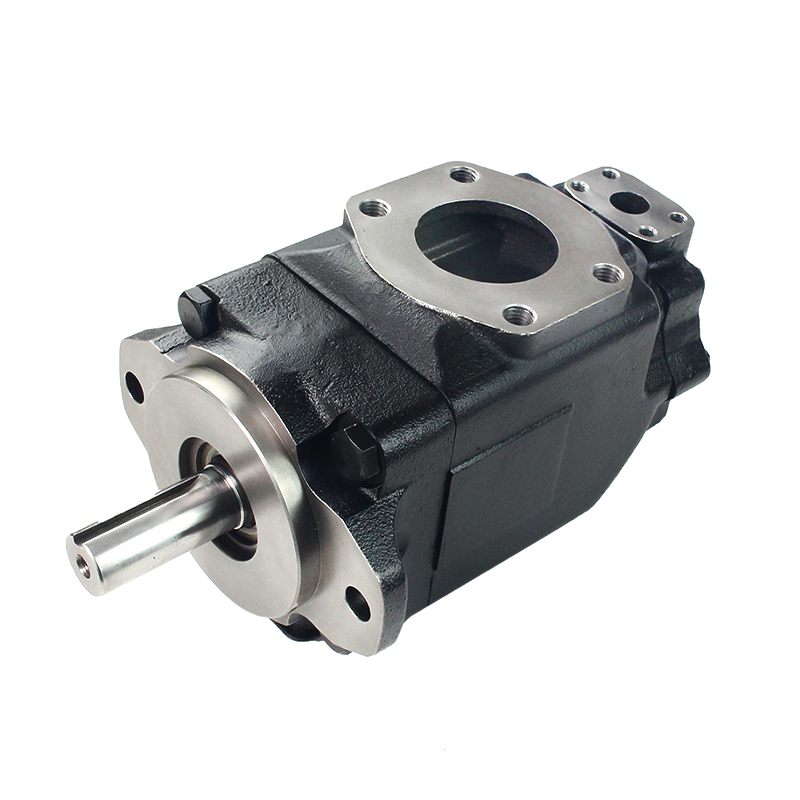

Vrhunska izdržljivost kroz napredni inženjering materijala
Parker Denison krilne pumpe ističu se na hidrauličkom tržištu integracijom a prevlaka od legure visoke tvrdoće s jedinstvenim fleksibilna struktura lopatica . Ova kombinacija izravno se bavi najčešćim točkama kvarova u industrijskim crpnim sustavima: trošenje površine i mehanički zamor. Ojačavanjem kritičnih kontaktnih površina naprednim metalurškim obradama, ove pumpe održavaju dimenzijsku stabilnost čak i pod ekstremnim fluktuacijama tlaka.
Fleksibilni dizajn lopatica omogućuje samokompenzaciju manjih nepravilnosti kućišta i toplinskog širenja. Ovo osigurava dosljednu izvedbu brtvljenja bez potrebe za pretjeranim predopterećenjem, koje tradicionalno ubrzava trošenje. Podaci s terena pokazuju da ovaj strukturni pristup može produljiti servisne intervale do 40% u usporedbi sa standardnim dizajnom krutih lopatica u scenarijima kontinuiranog rada.
Otpornost u visokokontaminiranim i visokoviskoznim okruženjima
Industrijske tekućine rijetko su netaknute. Hidraulički sustavi često se bore s onečišćenjem česticama, prodorom vode ili visoko viskoznim medijima poput teških ulja i polimera. Pumpe s krilcima Parker Denison projektirane su da rade u ovim izazovnim uvjetima. Snažna otpornost na koroziju koju pruža premaz od legure sprječava pojavu rupa i degradaciju površine kada je izložena agresivnim kemijskim dodacima ili okruženjima s vlagom.
Rukovanje visokim razinama nečistoća
Unutarnja geometrija crpke smanjuje mrtve zone u kojima se onečišćenja mogu akumulirati. Nadalje, fleksibilnost lopatica omogućuje im da apsorbiraju manje udarce lebdećih čestica bez lomljenja. To ih čini posebno prikladnima za primjenu u mobilnoj hidraulici, građevinskoj opremi i postrojenjima za recikliranje gdje filtracija nije uvijek savršena.
Izvedba s tekućinama visoke viskoznosti
Kod pumpanja visokoviskoznih tekućina, standardne pumpe često pate od kavitacije ili prekomjernog otpora. Optimizirani profil lopatica smanjuje otpor protoku, osiguravajući učinkovito punjenje i ravnomjernu isporuku. Ova sposobnost je ključna za industrije kao što su sustavi podmazivanja, prijenos goriva i kemijska obrada, gdje svojstva tekućine značajno variraju s temperaturom.
Značajno smanjenje ukupnih troškova životnog ciklusa
Dok je početni trošak nabave faktor, prava vrijednost krilnih pumpi Parker Denison leži u njihovoj sposobnosti da znatno niži ukupni troškovi životnog ciklusa . Smanjeno trošenje znači manje neplaniranih zastoja, manje radnih sati održavanja i smanjenu potrošnju rezervnih dijelova. Za upravitelje objekata i inženjere, ova se pouzdanost izravno pretvara u operativne uštede.
| metrički | Standardna lopatična pumpa | Parker Denison krilna pumpa |
|---|---|---|
| Prosječni servisni interval | 12 mjeseci | 18-24 mjeseca |
| Neplanirani događaji zastoja | 3-5 godišnje | 0-1 godišnje |
| Gubitak energetske učinkovitosti | Visoka zbog istrošenosti | Minimalno zbog premaza |
Održavanjem viših razina učinkovitosti tijekom vremena, ove crpke također smanjuju potrošnju energije. Svojstva protiv habanja osiguravaju da unutarnji zazori ostanu čvrsti, sprječavajući unutarnje curenje koje tjera motor na naporniji rad. Ova dvostruka korist smanjenog održavanja i manje potrošnje energije stvara uvjerljiv ekonomski razlog za nadogradnju na tehnologiju Parker Denison.
Ključne tehničke prednosti za integratore sustava
Za dizajnere sustava i integratore, odabir prave pumpe uključuje balansiranje specifikacija performansi s dugoročnom pouzdanošću. Parker Denison krilne pumpe nude nekoliko tehničkih prednosti koje pojednostavljuju ovaj proces odlučivanja.
- Kompaktan otisak: Visoka gustoća snage omogućuje manje spremnike i uže prostore za ugradnju.
- Niska buka rada: Fleksibilni mehanizam lopatica smanjuje vibracije i pulsiranje, što rezultira tišim hidrauličkim sustavima.
- Širok radni raspon: Sposoban za rukovanje brzinama i pritiscima koji bi degradirali manje komponente.
- Kompatibilnost: Dizajniran za besprijekoran rad s raznim hidrauličkim tekućinama, uključujući biorazgradive opcije.
Ove značajke čine krilne pumpe Parker Denison idealnim izborom za primjene u rasponu od strojeva za injekcijsko prešanje do opreme za potporu u zrakoplovstvu. Usmjerenost na znanost o materijalima i mehaničke inovacije osigurava da svaka jedinica pruža dosljednu izvedbu, bez obzira na radni stres s kojim se susreće.